
Abstract
This blog analyzes how media portrayals construct addiction differently, creating a racial and socioeconomic divide. Steven Epstein’s theories of medical sociology illustrates the constrast between Kensington’s largely poor, Black, and Hispanic population and the white, suburban opioid users. Differences in visual representation and narratives often shape public opinion and influences policy responses as it determines which communities receive empathy or criminalization.
Keywords
media representation, social construction, Steven Epstein, racialized narratives, stigma
Media plays a critical role in shaping how society understands addiction, whether that be through means of informing and educating people, or dramatizing the situation. Urban areas like Kensington is often portrayed through images of “zombies” (a term used to describe people experiencing severe effects of addiction), encampments on the streets, and public drug use. Headlines emphasize danger and a sense of helplessness, dehumanizing individuals and framing the neighborhood with an apocalyptic effect rather than a community shaped by structural neglect. In contrast, opioid use in suburban opioid use, predominantly affecting white Americans, is framed as a medical crisis and has a more emphatic approach.
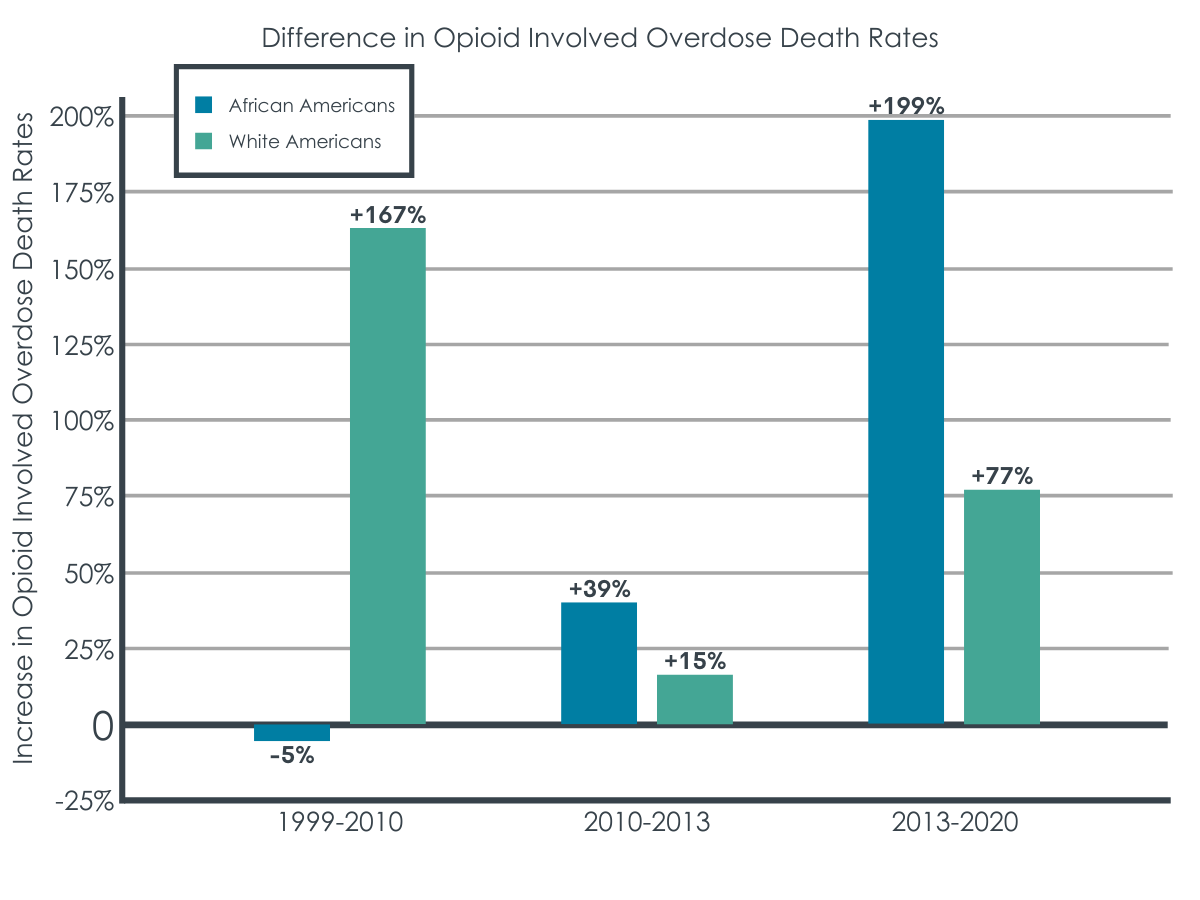
Steven Epstein’s idea of the social construction of illness helps explain the disparity amongst black and white opioid user. Illness, specifically opioid addiction and stigma are shaped by cultural narratives, political interests, and institutional authority, not simply medicine and biology. Addiction in Kensington is socially constructed as criminal, while addiction in suburban contexts is constructed as medical. Such portrayals can carry real consequences, as the stigma to treat those with opioid addiction can influence funding, treatment availability, and overall public support for harm reduction.


 Home Page: Understanding Philadelphia's Opioid Crisis: A Structural Approach
Leave a comment