
Abstract
This blog uses Michel Foucault’s concept of biopower to examine how state and political institutions such as health departments, insurance and pharmaceutical companies play a role in shaping the conditions and continuous cycle of the opioid crisis. Through examples of prescription practices, and regulation of treatments regulation this blog aims to demonstrate how institutional decisions intensified vulnerability and makes opioid user even more susceptible to addiction, highlighting how even well-intentioned policies can create unanticipated consequences that worsen harm.
Keywords
biopower, Foucault, pharmaceutical companies, unanticipated consequences
As much as the opioid crisis in Kensington is a story of addiction, it is also a story about political power, specifically, how governments and institutions shape healthcare. Michel Foucault’s concept of biopower explains how states regulate populations through subtle surveillance, medical classification, administrative decisions, and resource control, leaving many vulnerable.
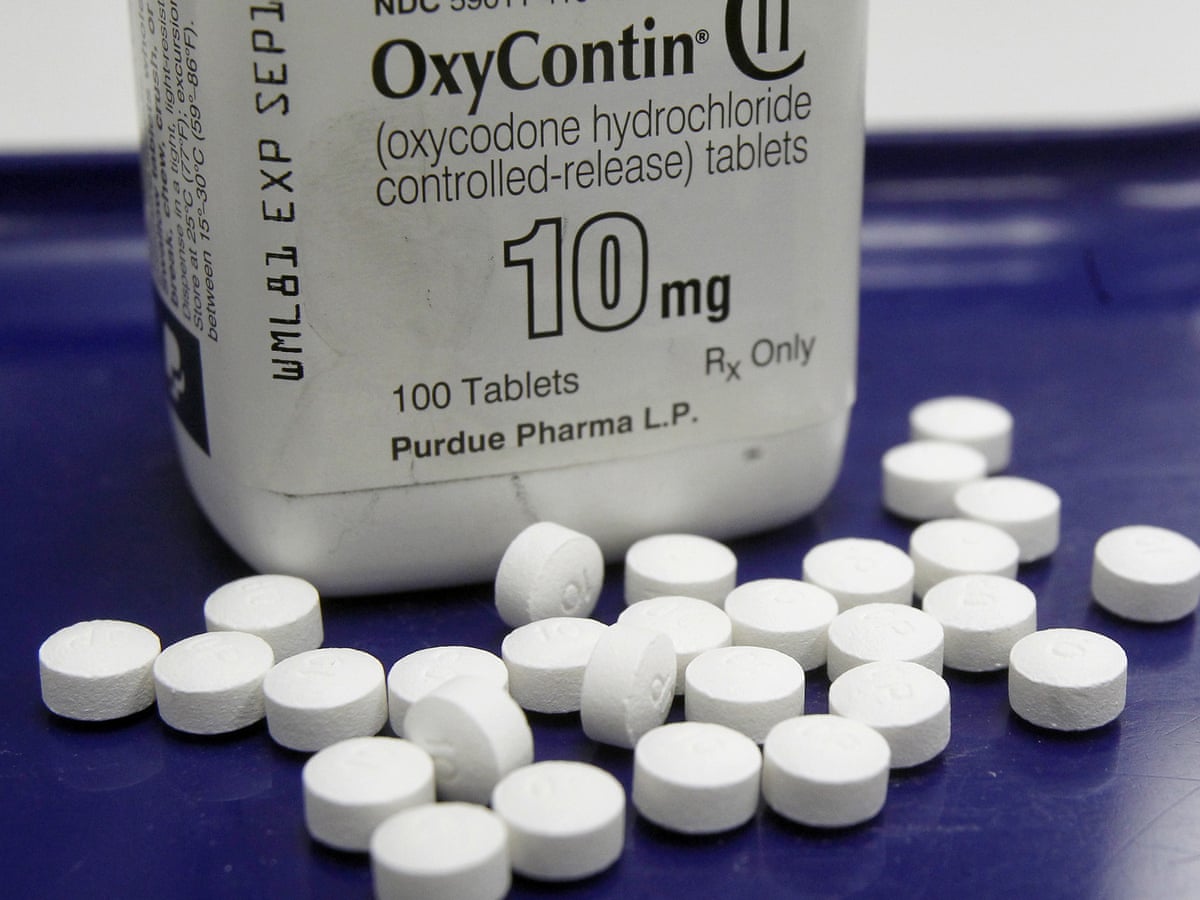
Beginning in the 1990s, pharmaceutical companies such as Purdue Pharma marketed opioid medications as safe, even though research suggested otherwise. Insurance companies reinforced this advertisement by covering the cost of opioids nationwide because they were cheaper than long-term pain management therapies. As a result, opioid accessibility increased dramatically, illustrating how biopower functions through the field of medicine in corporate an economic settings.
In the 2010s, stricter guidelines of opioid prescription were imposed, creating several unanticipated consequences. Many patients have already become dependent on the drug and abruptly cutting off the source of opioid caused many to turn to heroin and fentanyl. In Kensington, biopower also operates through policing. The neighborhood’s “open-air drug market” is heavily surveilled, in which the primary response to getting caught with drugs is arrest. However, it is important to note that such policing has done more harm than good, as it has traumatized residents and fractured the stability that individuals once felt in their neighborhoods. Under biopower, individuals with drug addictions are not supported, as the main goal is to manage population, as a result, worsening the crisis of opioid addiction.
Medication-assisted therapy (MAT), such as buprenorphine or methadone has been proven to reduce overdose. However, due to constrained and strict state regulations, insurance restrictions, and physician and clinic shortages, institutions have no other choice than to limit the accessibility to these drugs, revealing how biopower can determine who lives and who dies. In this sense, one cannot separate the opioid crisis from politics as it is shaped by it. Policies intended to regulate health often produce harm, especially in marginalized communities like Kensington. Understanding biopower allows us to see the crisis as a political and institutional phenomenon, not just a medical one.


 Home Page: Understanding Philadelphia's Opioid Crisis: A Structural Approach
Leave a comment